
Blog
Types of Jaggery: Complete Guide to Choosing the Best for Your Health

Introduction
Jaggery is an ancient, unrefined sweetener treasured across Asia, Africa, and Latin America. Renowned for its distinctive taste and nutritional benefits, jaggery is more than just a sugar substitute—it’s a natural powerhouse of minerals and antioxidants. However, there isn’t just one kind of jaggery. From sugarcane to coconut and date palm varieties, each type has its own unique flavor, color, and health offering. Understanding these differences helps you make the healthiest and most delicious choice for your household. This detailed guide explores the main types of jaggery, how they are produced, and which one is best for your needs.
TL;DR
- There are several types of jaggery: sugarcane, date palm, coconut, and palmyra.
- Sugarcane jaggery is the most common and versatile, but all types offer unique flavors and health benefits.
- Choose organic jaggery when possible to avoid chemicals and maximize nutritional value.
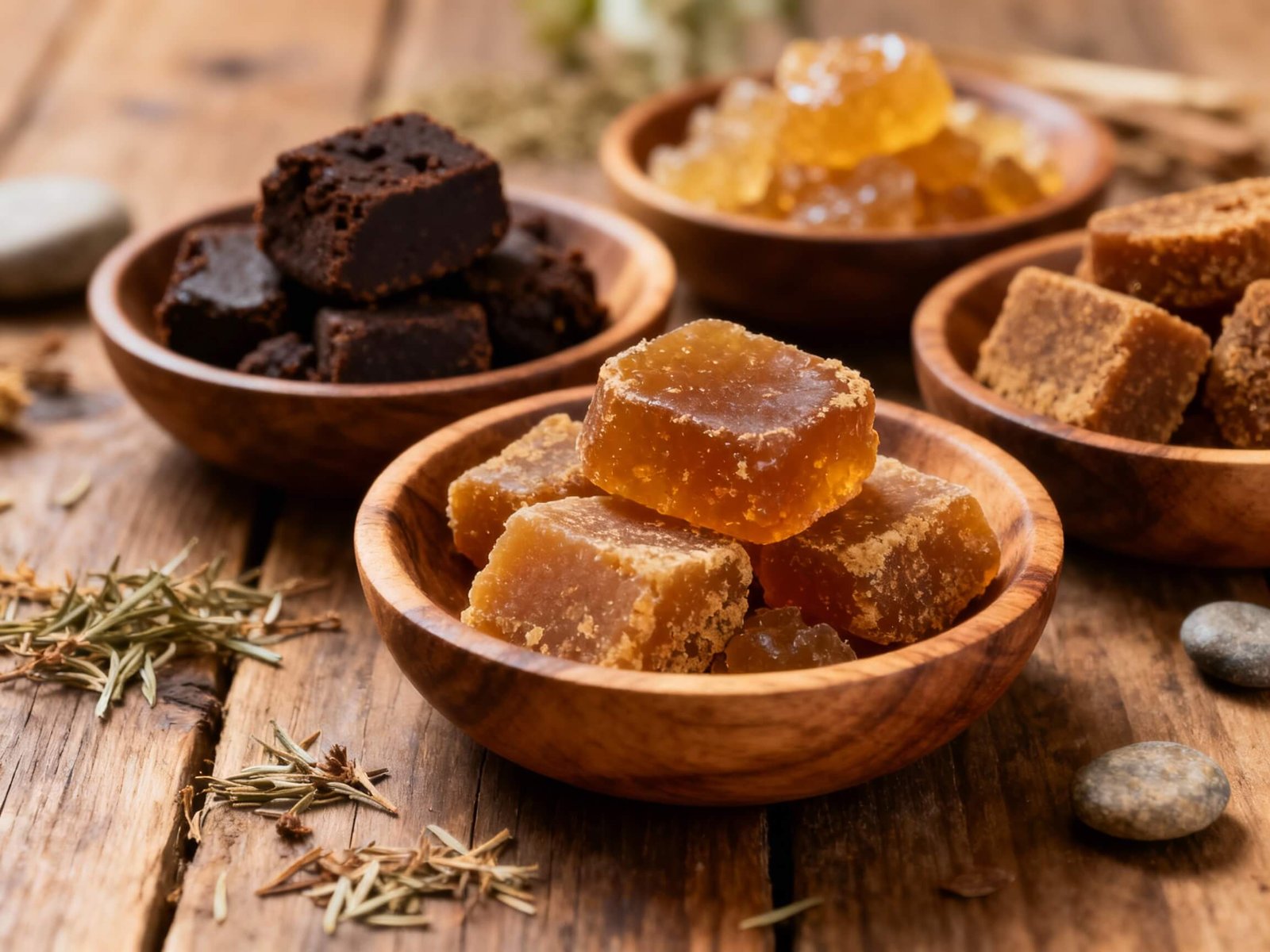
Table: Types of Jaggery at a Glance
| Type | Source | Common Regions | Color/Texture | Nutritional Highlights | Culinary Uses |
| Sugarcane Jaggery | Sugarcane juice | India, Africa, Asia | Golden to dark brown, soft | Iron, calcium, potassium | Sweets, daily use |
| Date Palm Jaggery | Date palm sap | West Bengal, Bangladesh | Dark brown, brittle | High in potassium, magnesium | Confectionery, desserts |
| Coconut Jaggery | Coconut palm sap | South India, Sri Lanka | Light brown, smooth | Iron, antioxidants | Curries, baked goods |
| Palmyra Jaggery | Palmyra palm sap | Southeast Asia | Medium brown, granular | Minerals, vitamins | Traditional dishes |
How Is Jaggery Made?
All jaggery starts with extracting juice from plant sources (sugarcane, palm, etc.). The juice is filtered, boiled, and stirred until it thickens and solidifies without chemical processing. The method preserves nutrients often lost in refined sugar making.
Quick Facts of Jaggery
- Sugarcane Jaggery: Most widely available; mild, sweet flavor; ideal for everyday use.
- Date Palm Jaggery: Deep, rich taste; seasonal; beloved in Bengali sweets.
- Coconut Jaggery: Delicate flavor; frequently used in South Indian cuisine and desserts.
- Palmyra Jaggery: Regional specialty; packed with minerals; favored in South and Southeast Asian festive recipes.
- Organic Vs. Conventional: Organic jaggery is made without chemicals or artificial clarificants—always the better health choice.
- Color & Texture: Natural variations in color and texture are indicators of unrefined production. Bright yellow or excessively hard jaggery may signal additives or refining.
Types of Jaggery: In Depth
- Sugarcane Jaggery
- Most popular type, used daily for sweetening foods and beverages.
- Rich in iron and minerals, supports energy and digestion.
- Soft, malleable texture and golden brown color.
- Date Palm Jaggery
- Available mainly during winter.
- Known for its intense caramel-like flavor.
- Used in traditional sweets like ‘Nolen Gur’ in Bengal.
- Coconut Jaggery
- Extracted from the sap of coconut palm flower buds.
- Contains antioxidants and is less sweet than sugarcane jaggery.
- Blends well with curries, lentil stews, and baking.
- Palmyra Jaggery
- Gained from the sap of palmyra palm trees.
- Possesses a granular texture with earthy notes.
- Nutrient-rich, especially in indigenous diets of Southeast Asia.
FAQ:
Is there a healthiest type of jaggery?
All unrefined jaggery types have health benefits: iron, potassium, and antioxidants. sugarcane jaggery is most widely recommended, but date palm and coconut jaggery are also excellent if available.
Why is organic jaggery better?
Organic jaggery avoids chemicals and retains more minerals, making it safer and more nutritious.
Can people with diabetes eat jaggery?
Jaggery is still a type of sugar and can raise blood glucose. Diabetics should consult their doctor before consumption.
How should jaggery be stored?
Keep in an airtight container in a cool, dry place to prevent hardening or mold.
How is the color of jaggery related to quality?
Golden brown to dark brown shades are ideal. Very light or very dark jaggery may be adulterated or over-boiled.
Conclusion
Jaggery comes in several tempting varieties, each bringing its own unique flavor and set of minerals to your table. Whether you choose sugarcane, date palm, coconut, or palmyra jaggery, opt for organic, chemical-free options for the best health results. Enjoy the wholesome sweetness of this ancient food and make your meals both nutritious and delicious from justgudsense —the natural way.